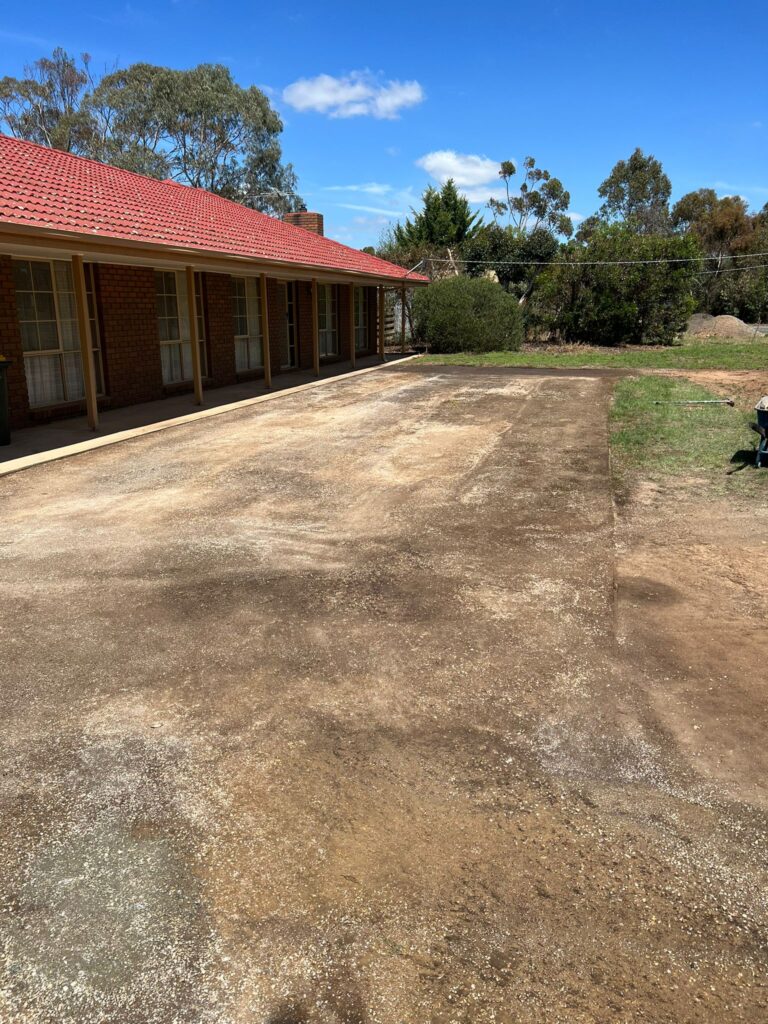
An asphalt surface that has undergone years of patch repairs can eventually become uneven, inconsistent and increasingly difficult to maintain. While individual repairs can effectively address isolated damage, repeated patching across the same driveway, access road or car park may indicate that the overall wearing surface is deteriorating.
For property owners in Beaudesert, QLD, this raises an important question: can asphalt resurfacing restore a pavement that has accumulated numerous repairs over the years, or has the surface reached the point where more extensive work is necessary?
The answer depends on the condition of the existing pavement, particularly the stability of the supporting layers beneath the asphalt. At Beaudesert Asphalt & Bitumen Surfacing, we assess worn and heavily patched surfaces to determine whether professional resurfacing can provide a reliable, long-term improvement.
Why Do Asphalt Surfaces Accumulate So Many Patches?
Patch repairs are a normal part of maintaining asphalt pavements. They allow damaged sections to be restored without disturbing surrounding areas that remain in good condition.
However, as asphalt ages, deterioration may begin appearing in several locations rather than remaining confined to isolated defects.
Common reasons for repeated patching include:
- Potholes developing in different areas
- Cracking that gradually spreads across the pavement
- Localised settlement or depressions
- Surface deterioration caused by repeated vehicle movements
- Water entering through damaged sections
- Weakening of the existing asphalt wearing layer
- Previous repairs beginning to deteriorate
Although each repair may address an immediate problem, the surrounding pavement continues to age. Eventually, the surface can become a collection of repaired sections separated by increasingly worn asphalt.
Does Having Multiple Patches Mean the Asphalt Has Failed?
Not necessarily.
A pavement can contain numerous patches while still having a structurally sound foundation. Some repairs may remain stable for years, even when the surrounding asphalt begins showing further signs of wear.
The important distinction is between deterioration affecting the wearing surface and problems extending into the supporting pavement structure.
If the foundation remains stable and most of the deterioration is concentrated in the upper asphalt layer, resurfacing may be a suitable option.
However, if extensive cracking, settlement or repeated movement indicates deeper structural failure, those issues must be addressed before a new surface is installed.
How Can Resurfacing Improve a Heavily Patched Surface?
Asphalt resurfacing involves preparing the existing pavement and installing a new wearing layer over a suitable foundation.
Rather than continuing to repair individual sections separately, resurfacing can renew a larger area and create a more consistent trafficable surface.
For heavily patched asphalt, potential improvements include:
- A smoother and more uniform driving surface
- Reduced inconsistencies between previous repairs
- Improved surface appearance
- Renewed protection against general wear
- Better integration between repaired sections
- Reduced exposure of the existing pavement to moisture
The objective is to restore the condition of the overall surface while retaining the existing pavement structure where it remains suitable.
Previous Repairs Must Be Assessed Before Resurfacing
One of the most important stages of resurfacing a heavily patched pavement is examining the condition of earlier repairs.
Some patches may remain stable and provide adequate support for further surfacing work. Others may have started cracking, settling or separating from the surrounding asphalt.
Installing a new wearing layer over unstable repairs can allow those weaknesses to affect the finished surface.
Professional preparation may therefore involve removing or correcting failed patches, repairing damaged areas and ensuring the existing pavement provides a suitable foundation.
This preparation is essential because resurfacing should address deterioration rather than simply conceal it.
Uneven Patches Can Affect the Finished Surface
Years of repairs can leave an asphalt pavement with noticeable differences in height and surface texture.
Some patches may sit slightly above the original pavement, while others may have settled. These irregularities can affect vehicle movement and contribute to water collecting in low areas.
Before resurfacing, the existing profile needs to be assessed.
Depending on the condition of the pavement, preparation may involve correcting raised or depressed sections, removing unsuitable material and establishing appropriate surface levels.
A consistent underlying profile helps produce a smoother finished surface and supports effective drainage.
Recurring Potholes May Indicate Deeper Problems
A pavement that has required numerous pothole repairs deserves careful investigation, particularly when damage repeatedly returns to the same locations.
Recurring potholes can indicate that the problem extends beyond the visible asphalt.
Potential causes include:
- Weak or unstable supporting material
- Moisture entering the pavement structure
- Inadequate drainage
- Repeated heavy vehicle loading
- Deterioration extending beyond previous repair boundaries
If these underlying conditions remain unresolved, a new asphalt surface may eventually experience similar problems.
Identifying and correcting unstable areas before resurfacing is therefore an important part of achieving reliable pavement performance.
Widespread Cracking Can Change the Recommended Approach
Cracking is another factor that influences whether resurfacing is appropriate.
A few isolated cracks may be manageable through targeted repairs. However, extensive interconnected cracking can indicate that the pavement is experiencing broader deterioration.
Where cracking is primarily associated with an ageing wearing surface, resurfacing may be considered after appropriate preparation.
Where cracks are caused by significant structural movement, simply covering them may allow them to reappear through the new layer.
A professional assessment helps determine whether the existing pavement can support resurfacing or requires more extensive corrective work.
Drainage Should Be Corrected Before Installing New Asphalt
Water can contribute significantly to the deterioration of heavily patched surfaces.
As cracks develop around old repairs, moisture may enter the pavement. If water reaches the supporting layers, it can weaken the material beneath the asphalt and contribute to further movement.
Depressions created by previous repairs can also allow rainfall to collect on the surface.
Before resurfacing, it is important to consider whether the existing pavement has appropriate falls and drainage.
Correcting water-related problems helps protect the new asphalt layer and reduces the likelihood of deterioration returning in vulnerable areas.
Can Resurfacing Reduce the Need for Repeated Patching?
Where the underlying pavement remains suitable, resurfacing can reduce the number of existing surface defects and provide a renewed wearing layer.
Instead of managing numerous separate patches across an ageing surface, property owners can benefit from a more consistent pavement.
However, resurfacing does not eliminate the need for future maintenance. Asphalt remains exposed to traffic and environmental conditions, and its performance depends on suitable construction, drainage and ongoing care.
The main advantage is that resurfacing can address widespread surface deterioration in a coordinated way rather than continuing to respond to individual defects.
When Is Resurfacing Better Than Another Round of Repairs?
There is no fixed number of patches that automatically makes resurfacing necessary.
The decision should be based on the condition of the entire pavement.
Resurfacing may be worth considering when:
- Numerous repairs cover a substantial portion of the surface
- New defects continue appearing between previous patches
- The asphalt has become generally rough or uneven
- Surface cracking is widespread
- The pavement has lost its consistent appearance
- Previous repairs have created irregular surface levels
- The underlying pavement remains structurally suitable
If deterioration is limited to a few isolated areas, targeted repairs may still be the appropriate solution.
What If the Existing Asphalt Is Too Damaged to Resurface?
Not every heavily patched pavement can be successfully resurfaced without additional work.
Where there is widespread foundation instability, significant settlement, severe deformation or extensive structural failure, the pavement may require more substantial rehabilitation.
In these circumstances, damaged sections may need to be reconstructed before a new surface can be installed.
The important point is that resurfacing should only be recommended when the existing pavement can provide adequate support.
Covering serious structural defects with another layer of asphalt does not remove the underlying cause of failure.
Why Professional Surface Preparation Matters
The long-term performance of resurfaced asphalt depends heavily on the preparation completed beforehand.
A heavily patched surface may require more detailed preparation than a pavement with relatively uniform wear.
This can involve assessing previous repairs, correcting unstable areas, addressing potholes, improving surface levels and checking drainage.
The intended use of the pavement must also be considered. A residential driveway, commercial car park and access road carrying heavier vehicles can place different demands on the finished surface.
At Beaudesert Asphalt & Bitumen Surfacing, we assess existing asphalt pavements throughout Beaudesert, QLD to determine the preparation and resurfacing approach most appropriate for their condition and intended use.
Restoring the Appearance and Functionality of Older Asphalt
A heavily patched surface can remain functional while gradually becoming less comfortable and convenient to use.
Differences in texture, uneven repairs, rough sections and recurring defects can affect the overall driving experience.
Where resurfacing is suitable, renewing the wearing layer can restore a smoother, more consistent finish and improve the appearance of the property.
For driveways, access roads, car parks and other trafficable surfaces, this can make a noticeable difference to everyday vehicle access.
The greatest benefit comes when improved appearance is supported by appropriate pavement preparation and a stable underlying structure.
Why Timing Matters When Considering Resurfacing
Waiting until a heavily patched pavement experiences extensive structural deterioration can limit the available restoration options.
There is often a stage where the existing wearing surface has become extensively worn, but the supporting pavement remains serviceable.
Resurfacing during this period may help preserve the existing structure and prevent further deterioration from progressing into deeper pavement layers.
Regular inspections and timely professional assessment can help property owners identify when resurfacing is becoming more appropriate than continued isolated repairs.
Conclusion
Asphalt resurfacing can often restore a surface that has accumulated years of patch repairs, provided the underlying pavement remains structurally suitable. By correcting damaged areas, preparing previous repairs and installing a renewed wearing layer, resurfacing can improve surface consistency, appearance and everyday functionality.
However, the number of patches alone does not determine whether resurfacing is appropriate. The condition of the foundation, extent of cracking, drainage and stability of previous repairs must all be considered before deciding on the best treatment.
If your driveway, access road, car park or other asphalt surface in Beaudesert, QLD has become heavily patched, uneven or increasingly difficult to maintain, Beaudesert Asphalt & Bitumen Surfacing can assess its condition and recommend an appropriate solution.
Contact our team to discuss professional asphalt repairs and resurfacing designed to restore a dependable surface and support long-term pavement performance.
Call us on: 07 5241 1492
Click here to find out more about Beaudesert Asphalt & Bitumen Surfacing
Click here to complete our contact form and see how we can help with your Asphalt and Bitumen Surfacing needs.